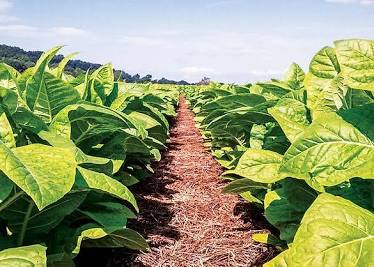
When you picture American farming, your mind probably goes straight to the endless horizons of the Midwest. You imagine massive green tractors rolling through towering cornfields in Iowa or combining oceans of golden wheat across the Great Plains.
If we were ranking states purely by the sheer amount of land covered in crops, the Heartland would win by a landslide.
But if you look at agriculture through the lens of a business owner—measuring by total cash value and revenue—the undisputed heavyweight champion of American agriculture isn’t in the Midwest at all.
It’s California.
According to recent USDA Economic Research Service data, California’s crop production alone pulls in a staggering $43 billion annually. To put that in perspective, that is billions of dollars ahead of traditional farming powerhouses like Iowa and Illinois.
How does a state famous for tech and beaches beat out the entire Corn Belt on the farm front? It all comes down to a classic business strategy: Volume vs. Premium Value.
The Top 5 Crop-Producing States by Value
While states like Texas actually have the most individual farms and the largest overall agricultural acreage (mostly used for cattle ranching), the leaderboard for pure crop cash receipts reveals a distinct geographical split:
| State | Est. Annual Crop Value | Primary Financial Drivers |
| 1. California | ~$43 Billion | Almonds, grapes (wine), pistachios, berries, lettuce |
| 2. Iowa | ~$20+ Billion | Corn and Soybeans |
| 3. Illinois | ~$19+ Billion | Corn and Soybeans |
| 4. Minnesota | ~$13+ Billion | Corn, soybeans, and sugar beets |
| 5. Nebraska | ~$12+ Billion | Corn, soybeans, and alfalfa hay |
The Secret to California’s $43 Billion Crown
The reason California dominates the financial charts comes down to what economists call “Specialty Crops.”
Midwestern states like Iowa and Illinois are masters of high-volume commodity row crops like corn and soybeans. These crops are essential for global food supplies, livestock feed, and biofuels, but they sell for relatively low prices per bushel. As a result, a Midwestern farmer needs thousands of acres just to generate a strong top-line revenue.
California takes the exact opposite approach. Thanks to the unique, Mediterranean-style climate of the Central Valley, California can grow over 400 different commercial commodities. Instead of low-margin grains, they focus on hyper-dense, high-value horticulture:
- Tree Nuts: California grows roughly 80% of the entire world’s almonds, alongside massive yields of pistachios and walnuts. These are premium, high-dollar export products.
- Wine and Table Grapes: Vineyard acreage generates incredible revenue per acre compared to standard field crops.
- Year-Round Produce: From strawberries and avocados to lettuce and broccoli, California’s long growing season means they supply the majority of the fresh fruits and vegetables found in US grocery stores.
Because a single acre of almonds or organic berries can generate thousands of dollars more in gross revenue than a single acre of field corn, California easily secures the top financial spot despite having less total row-crop acreage.
Two Different Ways to Win
American agriculture is not a monolith. The system relies on two completely different, highly successful business models operating at the exact same time:
The Midwest wins on unmatched scale and volume, keeping the foundational pillars of the global food supply steady and affordable.
Meanwhile, California wins on premium variety and high-value margins, turning its unique geography into a multi-billion dollar economic engine.
Next time you open a bag of almonds or pour a glass of wine, you’re looking at the exact premium products that keep the Golden State at the absolute top of the agricultural food chain.







One response to “The Multi-Billion Dollar Dirt: Which State Actually Produces the Most Crops?”
I’ll be adding notes and answering questions on this websites blog Mackinder Post which can be found in the top menu bar or dropdown.. I’m happy to answer questions, have intelligent conversations or listen to proactive feedback.