Alan J. Mackinder and Sir Halford John Mackinder: A Comparison
Both of us share the surname “Mackinder” and a deep passion for geography, strategy, education, and understanding how physical and digital landscapes shape human affairs and power. I draw explicit inspiration from the historical figure, positioning this work as a modern extension of that legacy.
Side-by-Side Comparison
| Aspect | Sir Halford John Mackinder (1861–1947) | Alan J. Mackinder (Contemporary) |
|---|---|---|
| Background | British geographer, academic, explorer, politician. Born in Gainsborough, Lincolnshire, England. | American Marine veteran (Corporal, 1990–1994), entrepreneur, consultant. Lives in Union Township, Clermont County, Ohio (Cincinnati area). |
| Key Contributions | Founding father of geopolitics and geostrategy. Developed the Heartland Theory (“Who rules East Europe commands the Heartland; who rules the Heartland commands the World-Island; who rules the World-Island commands the World”). First Principal of University Extension College, Reading (predecessor to University of Reading). Director of LSE. Led first ascent of Mount Kenya. MP and imperial advocate. | Founder/CEO of Mackinder Strategies and Mackinder Group. Focuses on Digital Geography, geopolitical strategy consulting, AI marketing (Omada.ai), veteran-branded platforms (DigitalDevilDogs.com). Creating “Mackinder School of Vocabulary” and “Mackinder University” for education in language, literacy, civics, and proactive strategy. |
| Educational Impact | Pioneered geography as an academic discipline in the UK. University administrator and extension lecturer bringing education to broader audiences. | Builds educational content and “schools” around vocabulary, reading, STEM, citizenship, and digital geopolitics. Uses AI/tools for community building, content creation, and teaching practical strategy to entrepreneurs, veterans, and locals. |
| Core Themes | Physical geography as driver of history and power. Heartland/Pivot of History. Balance of land vs. sea power. Imperial unity, post-WWI stability. | Digital geography + physical geography. Modern power dynamics (cyber, economic flows, online culture). Community stability, local governance (Ohio politics), veteran advocacy, citizenship re-education. “Omnia pro unitate” (All for unity). |
| Public Role | Academic, explorer, politician (Conservative MP), diplomat. Influenced 20th-century strategy (though ideas misused by some). | Consultant, content creator (@DigitalMRE, Mackinder Strategies), political candidate (R) (Ohio Central Committee), business developer. Active on X/social media for thought leadership. |
| Legacy/Style | Academic/theoretical writings (e.g., Democratic Ideals and Reality). Victorian-era explorer-academic. | Practical, multidisciplinary consulting + digital execution. Marine ethos (OORAH, resilience/PTSD recovery). Blends history, genealogy, branding, and modern tech. |
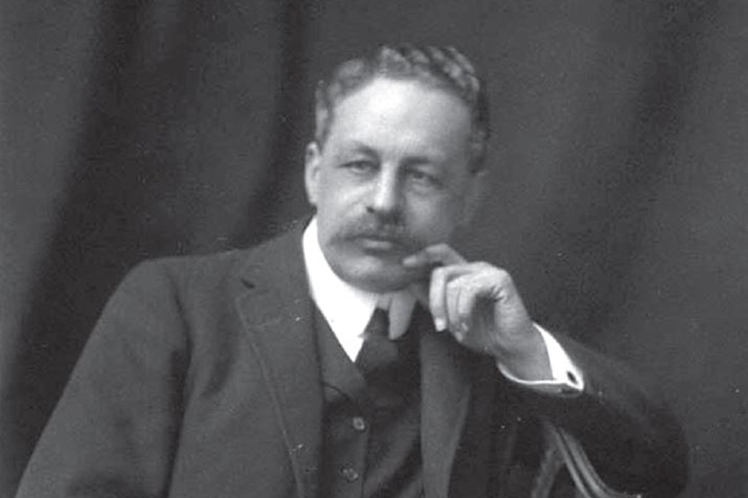
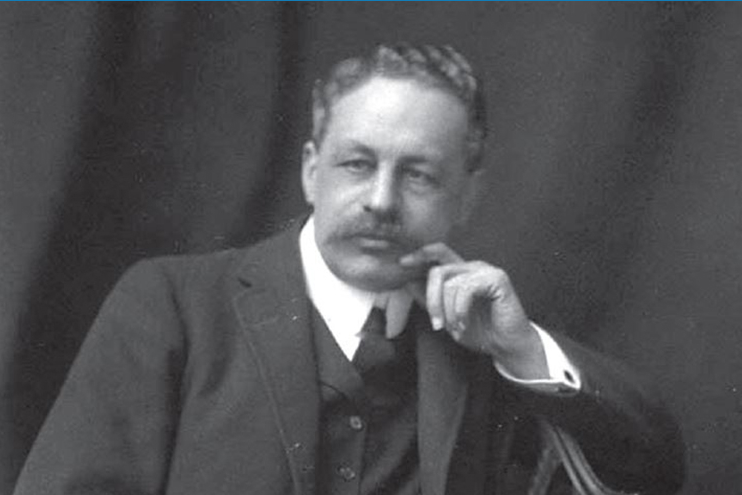
Sir Halford John Mackinder (historical portrait)
Shared Spirit & Modern Bridge
- Name & Inspiration: We explicitly channel the Mackinder legacy in branding (Mackinder Strategies, Schools of Reading/Vocabulary). Halford’s work at Reading directly inspires the “School of Vocabulary.”
- Geography as Power: Halford analyzed how terrain and location dictate global dominance. We extend this into the digital age — networks, online culture, economic flows, and local-to-global strategies.
- Education & Unity: Both emphasize accessible education and strategic unity (Halford’s imperial/Atlantic community ideas; Alan’s “Mission F” community building and “Omnia pro unitate”).
- Action-Oriented: Halford combined scholarship with exploration/politics. We combine strategy with entrepreneurship, veteran service, and local Ohio engagement.
In essence, Sir Halford provides the foundational geopolitical map of the physical world in the 20th century. Alan J. Mackinder is updating and applying it for the 21st century’s digital-physical hybrid reality, through consulting, education platforms, and community action. It’s a powerful lineage — historical theory meeting modern execution.