As parents, our instinct is often to shield. We protect our kids from the stress of a budget, we hide our work frustrations, and we curate a sterilized, kid-friendly bubble where the adults exist solely to facilitate their world.
But what if the best thing we can do for our kids is to let them see us live?
Involving your children directly in your biological adult life—your hobbies, your career, your passions, and even your daily responsibilities—isn’t a distraction for them. It’s a masterclass in human development.
Here is why letting your kids into your “real” life is one of the greatest gifts you can give them.
1. Demystifying the Adult World (The Anti-Entitlement Vaccine)
To a young child, money comes from a plastic card, food appears on a plate, and parents vanish into a computer or a building to do “work.”
When you involve your kids in your daily operations, you pull back the curtain.
- Take them to the office (if possible) or let them quietly observe a Zoom call.
- Bring them into the garage while you fix the car.
- Involve them in the kitchen while you prep a complex meal.
Seeing the effort behind the outcome teaches them respect for labor and a realistic understanding of how the world functions. They stop seeing you just as a “parent” and start seeing you as a capable human being.
2. Emotional Intelligence and the Art of Resilience
We often think we need to be perfect models of calm for our kids. But hiding every ounce of stress or disappointment robs them of a vital lesson: how to handle life when it gets messy.
“Kids don’t learn resilience by watching us succeed flawlessly. They learn it by watching us fail, sigh, pivot, and try again.”
If a project you’ve been working on falls through, or you’re stressed about a major life decision, it’s okay to share a age-appropriate version of that with your kids. Let them see you navigate a difficult conversation, watch you apologize when you’re wrong, and see how you destress. You are handing them the emotional toolkit they will need for their own adult lives.
3. The Power of “Shared Passions”
If you love gardening, running, painting, or restoring old furniture, don’t relegate those activities exclusively to your “me time.” Invite your kids into the fold.
| What They See | What They Actually Learn |
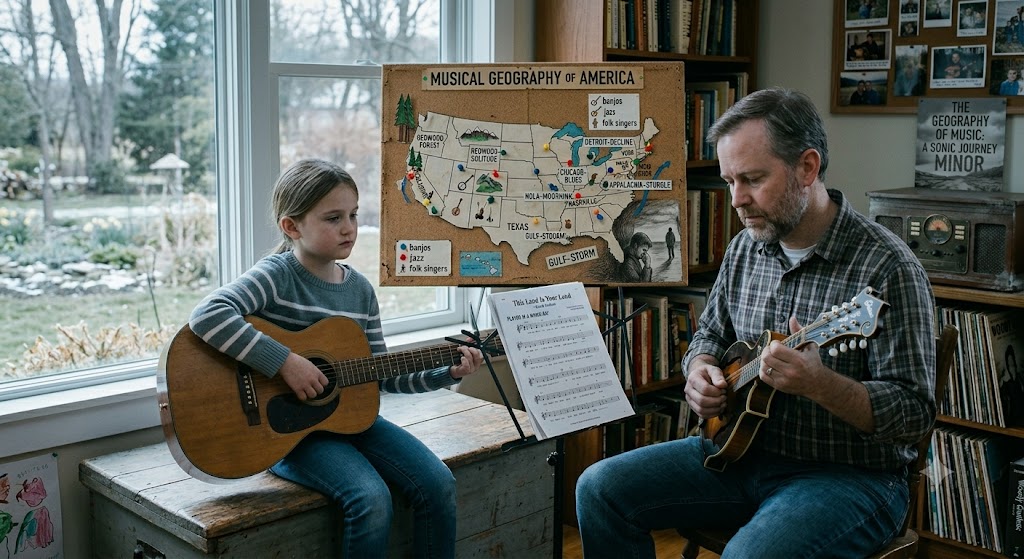
| You practicing an instrument | Dedication and the frustration of being a beginner. |
| You training for a 10k | The value of physical health and grit. |
| You reading and researching | Lifelong curiosity and that learning doesn’t stop at graduation. |
When kids see their parents genuinely excited about a hobby, it gives them permission to be passionate about things too. It sparks their own curiosity and builds a bridge of shared memories that lasts long into their own adulthood.
4. Building True Competence and Confidence
There is a massive psychological difference between a child who is given “busy work” to keep them out of the way, and a child who is given a genuine role in a family project.
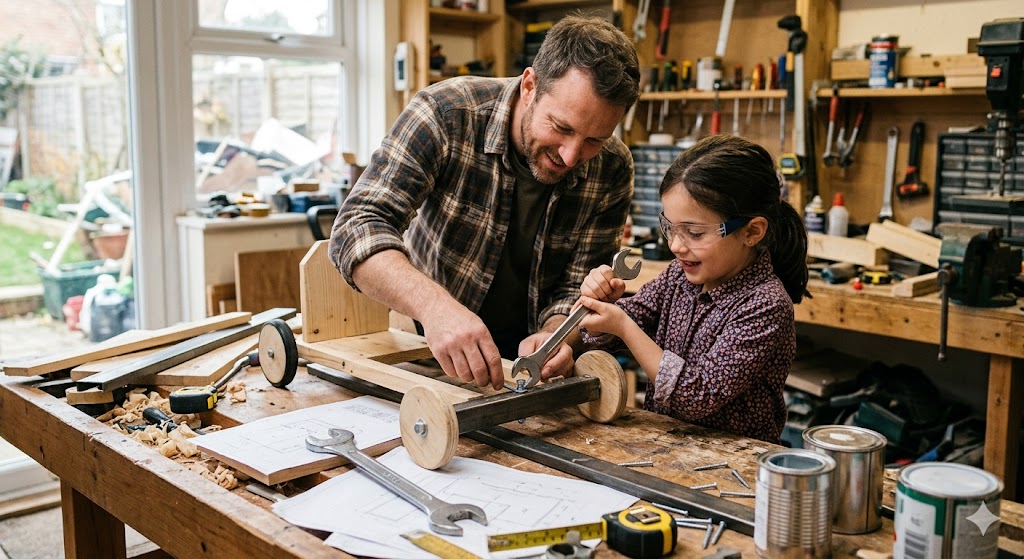
Whether it’s helping you paint a room, sorting parts for a DIY build, or helping calculate the tip at a restaurant, direct involvement fosters agency. It tells the child, “You are capable. Your contribution matters to this family unit.” That realization does more for a child’s self-esteem than a thousand empty compliments.
How to Start Small
You don’t need to upend your life or take your eight-year-old to a high-stakes corporate negotiation tomorrow. Start by looking for integration instead of separation:
- Narrate your choices: “I’m choosing this insurance plan because…” or “I’m buying this brand because it lasts longer.”
- Don’t hide your hobbies: Let them see you create, sweat, and strive.
- Assign real stakes: Give them chores that actually affect the household flow, not just arbitrary tasks.
By inviting your children into your biological, authentic life, you stop being just a provider and become a mentor. You stop just raising a child, and start raising a future adult.